

ICSI treatment in Chandigarh
Intracytoplasmic sperm injection (ICSI) is a form of IVF in which a single sperm is injected into each mature egg in the laboratory. It is used mainly when sperm cannot easily fertilise the egg on their own.
How ICSI differs from standard IVF
In standard IVF, eggs and sperm are placed together in a dish and fertilisation happens on its own. In ICSI, an embryologist selects one sperm and injects it directly into each mature egg using a very fine needle under a microscope.
Everything else, from ovarian stimulation and egg collection to embryo transfer and freezing, is the same as an IVF cycle.
When ICSI is recommended
- Low sperm count, poor sperm movement or abnormal sperm shape
- Sperm collected surgically, for example when there are no sperm in the ejaculate
- Poor or failed fertilisation in a previous IVF cycle
- A small number of eggs, to make the most of each one
- Some couples using frozen eggs or frozen sperm
ICSI step by step
Injections for about 10 to 12 days help several eggs grow, monitored by scans.
A short procedure under sedation to collect the eggs.
A single sperm is injected into each mature egg in the lab.
Fertilised eggs are watched as they grow into embryos.
One embryo, or sometimes two, is placed in the womb; good extra embryos can be frozen.
Success with ICSI
ICSI improves the chance of fertilisation when sperm are the problem, but it does not guarantee a pregnancy. The chance of success depends mostly on the woman's age and egg quality, as with IVF. We discuss realistic chances for your situation before you begin.
Risks to know about
The risks are mostly those of IVF: reactions to medicines, ovarian hyperstimulation in a small number of women, and a higher chance of twins if more than one embryo is transferred. A small number of eggs can be damaged by the injection. Some studies suggest a slightly higher risk of certain conditions in babies conceived by ICSI, often linked to the underlying sperm problem; your doctor will discuss this with you.
We transfer as few embryos as needed to reduce the risk of a multiple pregnancy, and freeze good-quality extra embryos for later.
ICSI at Bedi IVF & Infertility Centre
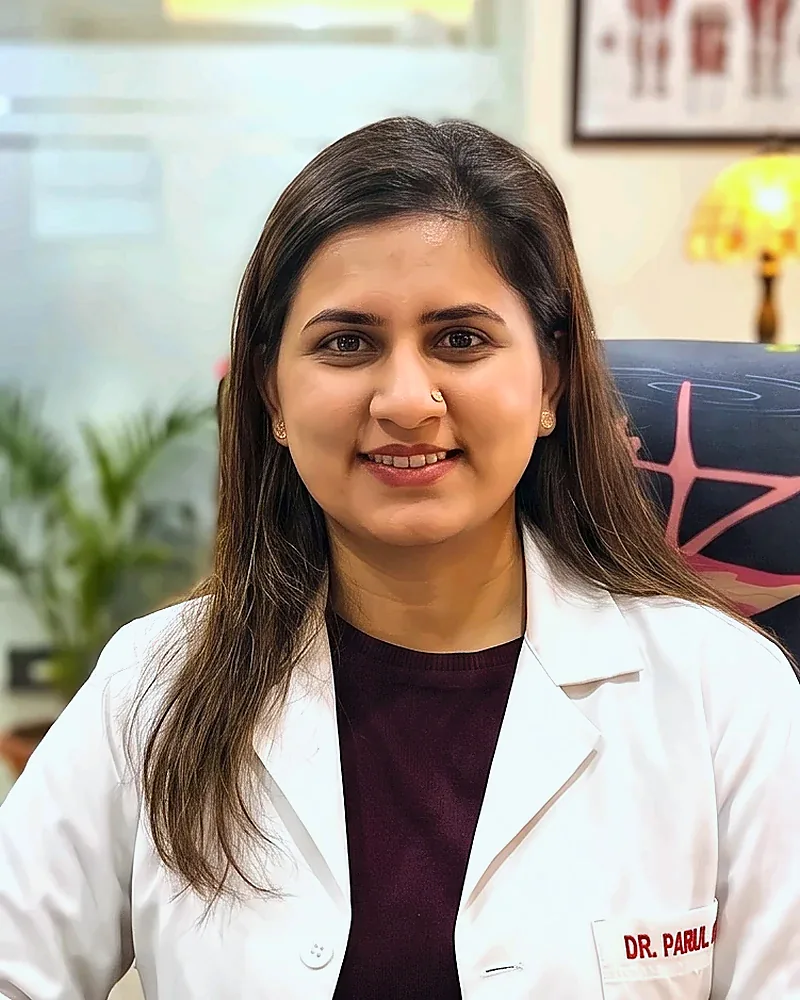
ICSI is part of our IVF service, planned by Dr G.K. Bedi and Dr Parul Bedi with our IVF co-ordinator Dr Sunaina Malik. Both partners are seen at the first visit, and we explain each test and step before treatment begins.
Serving families from across the Tricity
Couples travel to our IVF & infertility centre from Mohali, Panchkula, Zirakpur, Kharar and New Chandigarh, and from towns served by our outstation OPDs in Una, Ropar and Shimla.
Bedi Hospital is at #182, Sector 33-A, Chandigarh 160020 (near Rajasthan Bhawan). Search for “Bedi Hospital, Sector 33” in Google Maps for directions from your area, and call 08045776776 before you set out if you would like us to be ready for you. Emergency care is open 24x7, every day of the year.
More in IVF & fertility
Frequently asked
Is ICSI the same as IVF?
ICSI is a type of IVF. The only difference is how the egg is fertilised: a single sperm is injected into each egg instead of mixing eggs and sperm in a dish.
Does ICSI increase the chance of pregnancy?
It improves the chance of fertilisation when there is a sperm problem. The chance of pregnancy still depends mainly on the woman's age and egg quality.
Is ICSI painful for the woman?
The steps are the same as IVF. Egg collection is done under sedation, so you should not feel pain during it.
What does ICSI cost in Chandigarh?
It depends on the medicines, the lab work and whether embryos are frozen. Please call 08045776776 for a personalised estimate.
Book your visit
Book online with Docterz, or call or WhatsApp us. Tell us what you need and we will find you the right doctor and time.