
Do I have to eat panjiri after delivery?

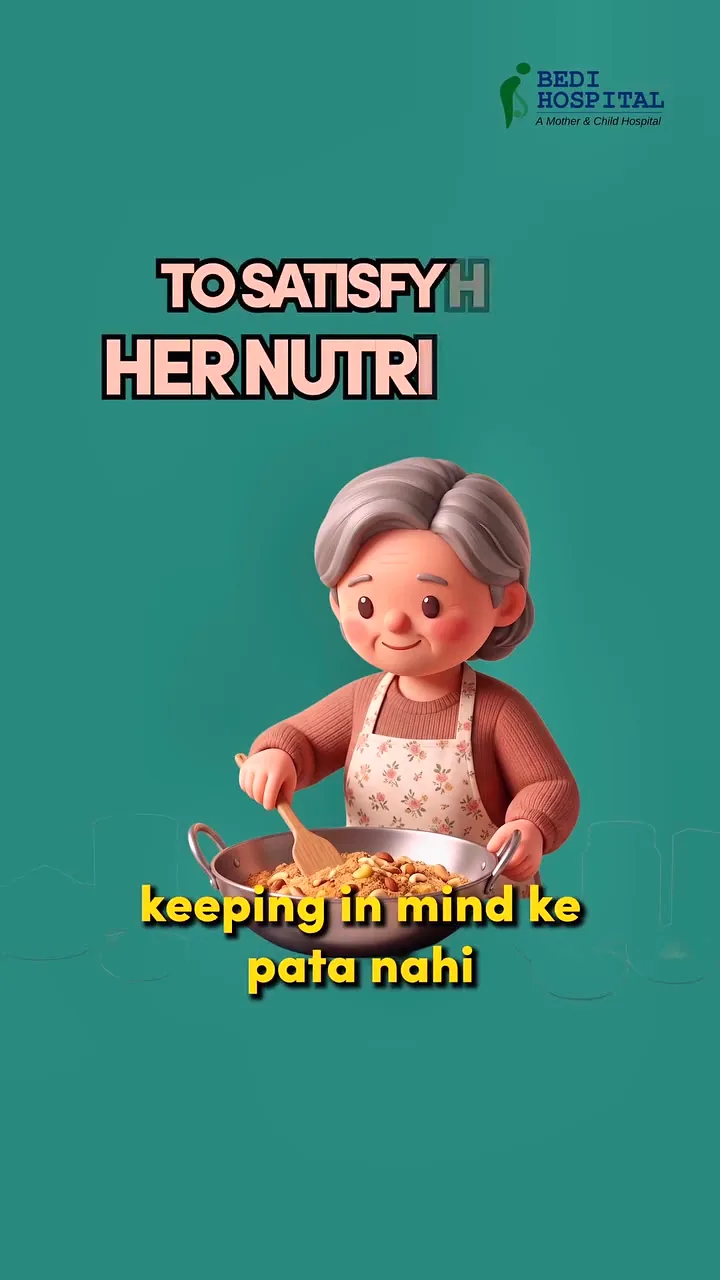 Watch this answer on Instagram
Source: Instagram.
Panjiri after delivery, Dr Vikram Bedi explains, came from a time when a new mother's nutrition was a real worry, and families sent it so she would get enough calories and manage feeding. That is not the situation most families live in now, he says, but the habit of treating panjiri as compulsory has continued.
Panjiri is made of wheat, ghee, butter and nuts. If you do not like it in that form, he says you can still eat those same foods in other ways. The problem he sees is when jars of panjiri arrive and the mother is told she has to finish them. Some mothers then stop their usual meals and take panjiri only two or three times a day.
That pattern, he says, is not nutritious, and it can work against her. Panjiri is very heavy, and the nuts can cause digestive trouble. His message to mothers and mothers-in-law is that panjiri after delivery is not very important, and it is not something that has to be forced.
The useful idea behind the tradition is still there: a new mother needs enough food and calories. That can come from ordinary, regular meals she can actually eat.
When to see a doctor
If you cannot keep food down, are losing weight, or feeding is a struggle after delivery, please come in for a review. Call 08045776776 or WhatsApp 9915700182.
Book a visit
Call 08045776776, WhatsApp 9915700182, or book online.
This page is a written version of a public video by Dr Vikram Bedi. It is general information, not a personal medical consultation. If you are worried, please see a doctor.