

Can too much screen time make a toddler stop responding?

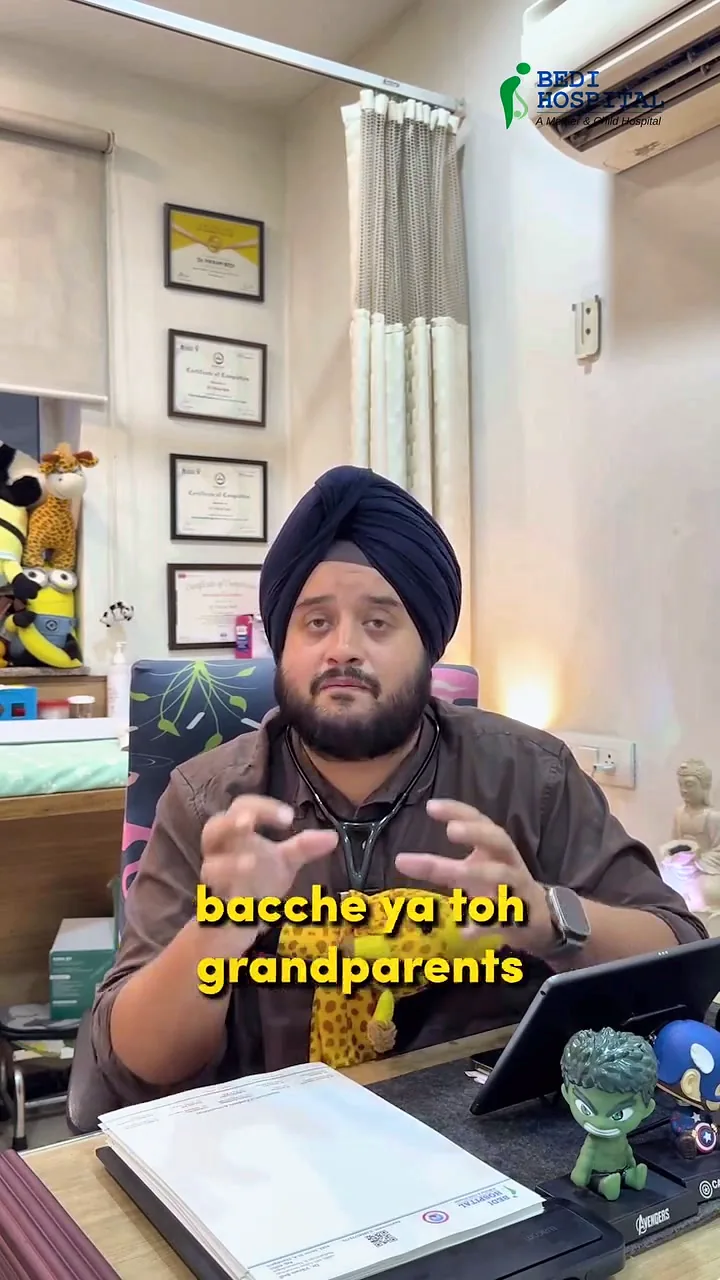 Watch this answer on Instagram
Source: Instagram.
A mother came to the clinic almost in tears, Dr Vikram Bedi says, because her child was not responding to their name, was hyperactive, and was not playing with anyone. These, he says, are red-flag signs. The change often comes suddenly, and he sees it in families where the parents are working and the child is left with grandparents, virtually fixed to a screen.
He uses the term 'virtual autism' for this pattern, and he says it is real. The first four to five years of a baby's brain development are very important. Once a phone or a television is introduced, screen time can linger on through the whole day. A screen is one-way communication: it talks to the child, but the child is not talking back. Over time, he says, that wiring is affected; children stop responding and only absorb.
His caution to parents is this: if your baby has stopped responding to their name, is ignoring you, and is not responding well, look hard at the screen time and start changing it. Damage in the first five years, he says, is not easy to undo.
This sits beside his other reel on limiting toddler screen time. Here the focus is the red flags, not only the clock. A formal developmental assessment is still important if these signs are there; the reel is a reason to act, not a diagnosis on its own.
When to see a doctor
If your child has stopped responding to their name, is not playing with people, or you are worried about speech or social skills, please book a paediatric or developmental review. Call 08045776776 or WhatsApp 9915700182.
Book a visit
Call 08045776776, WhatsApp 9915700182, or book online.
This page is a written version of a public video by Dr Vikram Bedi. It is general information, not a personal medical consultation. If you are worried, please see a doctor.